
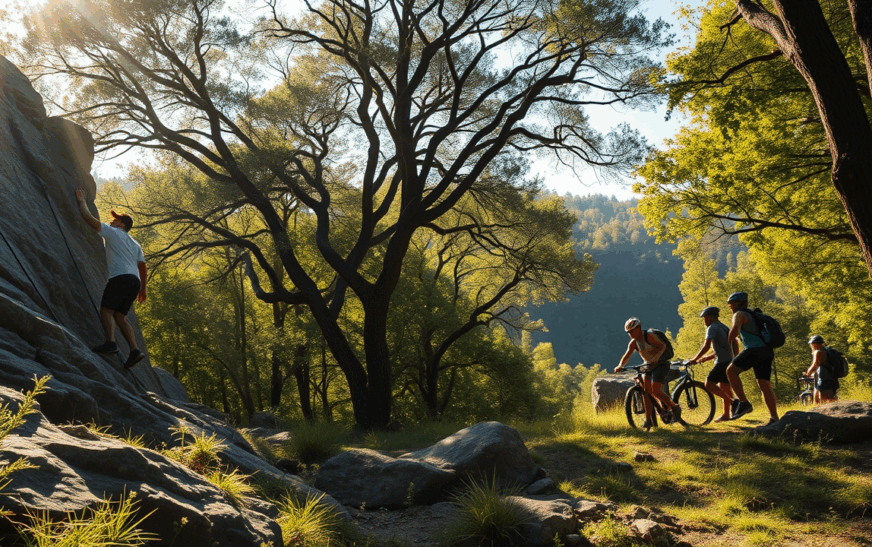
Arizona. Just the name conjures images of vast desert landscapes, towering red rocks, and a sky so big it makes you feel wonderfully small. Whether you’re a seasoned adventurer or just looking for a change of scenery, the Grand Canyon State has something to blow your socks off. And as we look ahead to 2026, planning a trip to Arizona has never been more exciting. Let’s dive into the absolute best places to visit in Arizona and get that itinerary sorted!
What are the Prettiest Places to Visit in Arizona?
Honestly, picking the “prettiest” in Arizona is like choosing your favorite star in the Milky Way – nearly impossible, but incredibly rewarding to try. The state is a visual feast, a kaleidoscope of natural wonders that will leave you breathless.
First off, Sedona. Oh, Sedona! If a place could be accused of being too beautiful, it would be Sedona. Its signature red rock formations, sculpted by millennia of wind and water, glow with an almost otherworldly intensity, especially at sunrise and sunset. Hiking among these natural cathedrals, like Cathedral Rock or Devil’s Bridge trail (yes, it’s as epic as it sounds!), feels like stepping into a painting. The energy here is palpable; many people come for the spiritual vortexes. I’ve been there multiple times, and every single visit, I discover a new angle, a new light that makes it feel brand new.
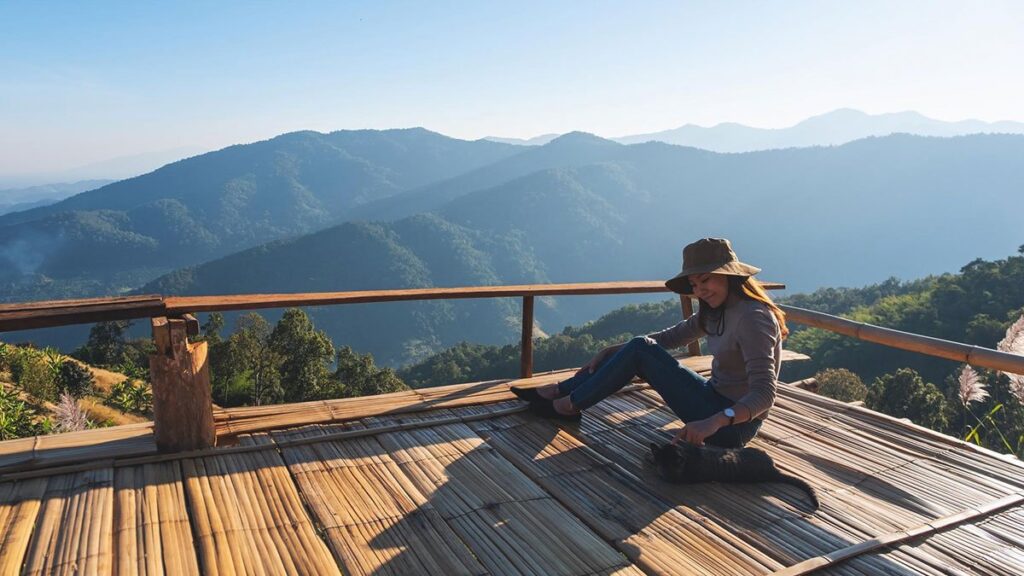
Then there’s the Grand Canyon National Park. Is it cliché? Maybe. Is it jaw-droppingly, soul-stirringly beautiful? Absolutely, unequivocally, YES. Seeing the Grand Canyon for the first time… well, it’s a moment you don’t forget. The sheer scale, the layers of geological history laid bare, the colors that shift with the sun – it’s magnificent. Whether you’re gazing from the South Rim, venturing to the less crowded North Rim, or even taking a helicopter tour (a total splurge, but worth every penny!), its grandeur is undeniable.
And we can’t forget Antelope Canyon. This slot canyon near Page is pure magic. Sunlight filters down through narrow openings, creating ethereal beams that dance across the sculpted sandstone walls. The swirls of orange, red, and purple are mesmerizing. Navigating it requires a guided tour, but trust me, it’s an experience that feels both intimate and grand. Horseshoe Bend, just a short drive away, offers another iconic vista: a dramatic U-shaped curve carved by the Colorado River. It’s one of those views that just clicks with everyone.
Finally, for a different kind of beauty, consider Monument Valley Navajo Tribal Park. Standing among the iconic sandstone buttes, often silhouetted against a vast desert sky, feels like stepping onto a movie set – and indeed, it has been for countless Westerns. It’s a place of profound natural beauty and deep cultural significance.
Here’s a quick rundown to help you visualize these gems:
| Destination | Key Attractions | Best For | Estimated Time Needed |
|---|---|---|---|
| Sedona | Red Rock formations, Vortex sites, Hiking trails (Devil’s Bridge), Art galleries | Spiritual seekers, Hikers, Photographers | 2-4 days |
| Grand Canyon National Park | South Rim viewpoints, North Rim vistas, Hiking (Bright Angel Trail), Mule rides | Nature lovers, Adventurers, Families | 1-3 days |
| Antelope Canyon & Horseshoe Bend | Slot canyon tours, Scenic overlook | Photographers, Geology enthusiasts, Scenery | 1 day (from Page) |
| Monument Valley | Mittens buttes, Three Sisters, Guided Navajo tours | Cultural immersion, Iconic landscapes | 1 day (as a stop) |
| Saguaro National Park | Saguaro cacti, Hiking trails, Scenic drives | Nature photography, Desert flora enthusiasts | 1-2 days |
*
What are the Top Attractions in Arizona?
Beyond the sheer aesthetic appeal, Arizona boasts a wealth of attractions that cater to every interest. From natural wonders to historical sites, there’s always something to see and do.
The Grand Canyon National Park is, without question, the king of Arizona attractions. Its immense size and breathtaking beauty make it a must-see for any visitor. Whether you hike a portion of the rim, descend a few miles into the canyon, or simply soak in the views from Mather Point or Yavapai Point, it’s an awe-inspiring experience.
Sedona’s appeal extends beyond its prettiness. The abundance of hiking trails—over 100 of them!—is a major draw. Trails like the aforementioned Devil’s Bridge, Cathedral Rock, and Soldier Pass offer varying levels of difficulty and reward with unforgettable vistas. Plus, the vibrant arts scene and unique spiritual retreats add another layer to its attraction.
For a dose of the prehistoric, Mesa Verde National Park (while technically in Colorado, it’s a common detour for those exploring Northern Arizona) and Montezuma Castle National Monument offer fascinating glimpses into ancient cliff dwellings. Montezuma Castle, a remarkably preserved 12th-century pueblo dwelling built by the Sinagua people, is a testament to ingenious engineering and adaptation.
Tombstone takes you back to the Wild West era. Stroll down Allen Street, visit the O.K. Corral, and imagine Wyatt Earp and Doc Holliday in their prime. It’s a living history lesson with a dusty, authentic feel. Nearby, the ghost town of Jerome, once a booming copper mining town, now offers quirky shops, art galleries, and stunning views from its hillside perch.
And let’s not forget the vibrant capital city, Phoenix. The Desert Botanical Garden is an absolute marvel, showcasing an incredible diversity of desert flora in a beautifully designed setting. It’s a fantastic way to appreciate the resilience and beauty of desert life. Nearby, Papago Park offers iconic red rock formations perfect for short hikes and sunset views, and the Hole-in-the-Rock is a classic photo op.
Here’s a snapshot of what awaits you:
| Attraction | Location | Main Draw |
|---|---|---|
| Grand Canyon National Park | Northern Arizona | Immense canyon, scenic viewpoints, hiking |
| Sedona Red Rocks | Central Arizona | Iconic red rock formations, hiking, vortex sites |
| Antelope Canyon | Page, Northern Arizona | Ethereal slot canyon light beams |
| Horseshoe Bend | Page, Northern Arizona | Dramatic river bend overlook |
| Monument Valley Navajo Tribal Park | Northeast Arizona | Iconic buttes, Navajo culture, classic Western vistas |
| Montezuma Castle National Monument | Camp Verde, Central Arizona | Ancient cliff dwellings, historical insights |
| Tombstone | Southeastern Arizona | Wild West history, O.K. Corral, saloons |
| Jerome Ghost Town | Central Arizona | Historic mining town, art galleries, panoramic views |
| Desert Botanical Garden | Phoenix | Extensive desert plant collection, educational |
| Saguaro National Park | Tucson, Southern Arizona | Giant saguaro cacti, Sonoran Desert ecosystem |
| Petrified Forest National Park | Eastern Arizona | Ancient fossilized trees, painted desert |
*
What are some Unique or Hidden Gem Places to Visit in Arizona?
Arizona is fantastic for its headline acts, but dig a little deeper, and you’ll find places that offer a truly unique, off-the-beaten-path experience. These are the spots that tell a different story of the state.
Bisbee is one such gem. Tucked away in the Mule Mountains of southeastern Arizona, this former copper mining town has transformed into a bohemian artist colony with a quirky charm. Think colorful Victorian houses clinging to hillsides, narrow, winding streets filled with independent boutiques, art galleries, and cozy cafes. The Bisbee Mining & Historical Museum is fascinating, and simply wandering the streets is an adventure in itself. It has a totally different vibe from anywhere else in Arizona.
For a different kind of underground wonder, consider Kartchner Caverns State Park. This is not your average cave tour. Kartchner is known for its pristine condition and astonishing formations, including the world’s longest known natural soda straw. The guided tours are excellent, offering a deep dive into the cave’s geology and formation. It’s a cool, damp escape from the desert heat and a truly spectacular subterranean world.
Chiricahua National Monument offers another distinct landscape. Known as the “Wonderland of Rocks,” it features incredible hoodoos and balanced rocks formed by volcanic activity. The scenic drive is stunning, and the hiking trails allow you to get up close and personal with these geological marvels. It feels ancient and untouched.
If you’re looking for something truly different, head to Jerome. It’s more than just a ghost town; it’s a vibrant community that has embraced its history while fostering a thriving arts scene. Exploring the old asylum, browsing the unique shops, and enjoying the panoramic views from its precarious hillside perch is an experience you won’t soon forget.
Finally, while Prescott is increasingly popular, its surrounding areas still hold hidden treasures. Watson Lake with its granite dells and Lynx Lake offer beautiful recreational opportunities. The Granite Dells, in particular, create almost surreal rock formations that are fantastic for photography and exploration.
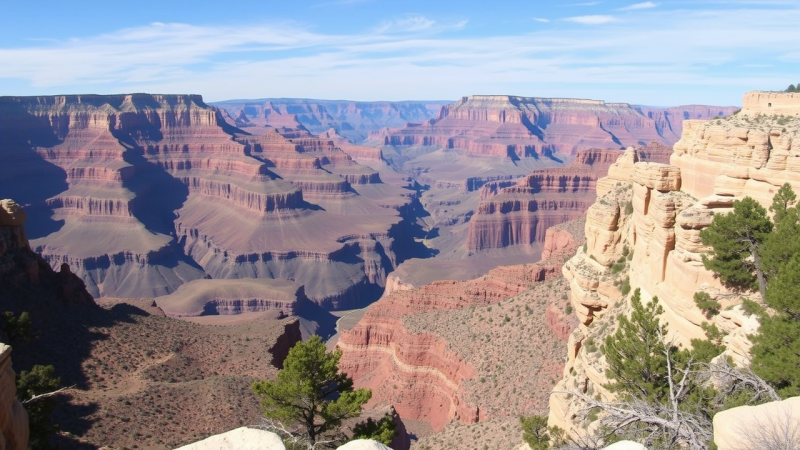
Here are some hidden gems and unique spots to explore:
- Bisbee: A former mining town turned bohemian artist haven with colorful streets and a unique vibe.
- Kartchner Caverns State Park: A remarkably preserved cave system with impressive stalactites and stalagmites.
- Chiricahua National Monument: A “Wonderland of Rocks” featuring unique hoodoos and balanced rock formations.
- Jerome: A historic hillside mining town with a lively arts scene and a palpable sense of history.
- Watson Lake (Prescott): Known for its striking granite formations rising from the water.
- The Wave (Paria Canyon-Vermilion Cliffs National Monument): Requires a permit obtained via lottery, but its swirling sandstone formations are otherworldly.
- Salvation Mountain (near the California border): A man-made mountain covered in religious messages and colorful folk art – a truly unique detour!
*
What is the Best Time of Year to Visit Arizona in 2026?
Choosing when to visit Arizona really depends on what you want to do and where you plan to go. The state has a diverse climate, ranging from the scorching deserts of the south to the cooler, mountainous regions in the north.
For pleasant weather across most of the state, aiming for spring (March to May) and fall (September to November) is usually your best bet. During these shoulder seasons, temperatures are generally mild and comfortable for exploring. You can hike without overheating, and outdoor activities are enjoyable. Sedona, Phoenix, and Tucson are particularly lovely during these times. The desert wildflowers in spring are an added bonus!
Summer (June to August) in Arizona can be brutally hot, especially in the desert lowlands. Phoenix and Tucson can easily see temperatures soar above 100°F (38°C). While this might be too intense for many, it’s the best time to visit the higher elevations like the Grand Canyon’s North Rim (the South Rim is open year-round), Flagstaff, and the White Mountains, where temperatures are much cooler and more inviting. It’s also monsoon season, so be prepared for potential afternoon thunderstorms, which can be dramatic and beautiful.
Winter (December to February) offers a unique Arizona experience. The desert areas are at their most comfortable, with daytime temperatures in the 60s and 70s Fahrenheit. This is ideal for exploring Phoenix, Tucson, and Saguaro National Park. Northern Arizona, including the Grand Canyon and Flagstaff, experiences snow, transforming the landscape into a winter wonderland. This is perfect for skiing or enjoying a cozy desert escape. However, some higher-elevation roads might be closed due to snow.
Consider this breakdown:
- Spring (March-May): Ideal for desert exploration, wildflowers, pleasant temperatures statewide. Great for hiking and outdoor activities.
- Summer (June-August): Hot in the desert, but perfect for cooler mountain regions (Grand Canyon North Rim, Flagstaff, White Mountains). Watch for monsoon storms.
- Fall (September-November): Excellent mild weather across the entire state. Fall colors in the higher elevations. Great for hiking and city exploration.
- Winter (December-February): Comfortable in the desert (Phoenix, Tucson), snowy and cold in the north (Flagstaff, Grand Canyon). Ideal for those escaping colder climates.
*
How Can I Plan a Trip to Arizona in 2026?
Planning your Arizona adventure in 2026 can feel a bit overwhelming given the sheer diversity of the state. But with a bit of strategy, you can craft an unforgettable itinerary.
1. Define Your Priorities: What do you really want to see and do? Are you chasing iconic landscapes like the Grand Canyon and Sedona? Interested in Native American history and culture? Dreaming of ghost towns and Wild West lore? Or perhaps a foodie tour through Phoenix and Tucson? Knowing your main interests will help you focus your efforts and decide which regions to prioritize.
2. Choose Your Regions: Arizona is vast. Trying to see everything in one trip is ambitious and likely exhausting. Based on your priorities, decide which regions make the most sense. * Northern Arizona: Grand Canyon, Sedona, Page (Antelope Canyon, Horseshoe Bend), Flagstaff, Monument Valley. * Central Arizona: Phoenix, Scottsdale, Superstition Mountains, Jerome, Prescott. * Southern Arizona: Tucson (Saguaro NP, Sonoran Desert Museum), Bisbee, Tombstone, Chiricahua NM.
3. Map Your Route & Transportation: Arizona is best explored by car, especially if you want to visit national parks and more remote areas. Consider a classic Arizona road trip itinerary. Will you fly into Phoenix (PHX) or Las Vegas (LAS) and rent a car? Or perhaps Tucson (TUS)? Plot your destinations on a map and figure out the logical driving routes between them. Don’t underestimate driving times; distances can be deceiving.
4. Book Accommodation & Tours: Once you have a rough itinerary, book your lodging. Options range from national park lodges and hotels to unique B&Bs and vacation rentals. For popular attractions like Antelope Canyon, booking tours in advance is essential. Planning ahead is crucial, especially if you’re traveling during peak seasons (spring and fall).
5. Factor in Activities: Make a list of specific activities for each location. Here’s a taste of what you might include on your Arizona bucket list for 2026:
- Hike to Devil’s Bridge in Sedona.
- Watch the sunrise or sunset over the Grand Canyon.
- Take a guided tour through Antelope Canyon.
- Visit the Desert Botanical Garden in Phoenix.
- Explore the cliff dwellings at Montezuma Castle National Monument.
- Walk down Allen Street in Tombstone.
- Experience the art scene in Jerome or Bisbee.
- See a giant Saguaro cactus at Saguaro National Park.
- Drive through Monument Valley.
- Look for petroglyphs at Petrified Forest National Park.
6. Pack Appropriately: Arizona weather can be extreme. Layers are key! Bring sunscreen, a hat, plenty of water bottles (staying hydrated is non-negotiable in the desert!), comfortable hiking shoes, and perhaps a light jacket for evenings or cooler regions.
7. Be Flexible: While planning is essential, allow for spontaneity. Sometimes the best discoveries happen when you deviate from the plan. Arizona is a state that rewards exploration!
Considering things to do in Arizona with family? Many of these attractions are family-friendly, from the Grand Canyon’s visitor centers and rim trails to the Bearizona Wildlife Park near Williams, or the Pima Air & Space Museum in Tucson. Think about activities that cater to different ages and energy levels.
Frequently Asked Questions (FAQ)
Часто задаваемые вопросы (FAQ)
What are the absolute must-visit places in Arizona for a first-timer?
For a first-time visitor, the Grand Canyon National Park is non-negotiable. Combine that with the surreal beauty of Sedona’s red rocks and the unique slot canyons of Antelope Canyon near Page. These three locations offer a fantastic introduction to Arizona’s iconic natural wonders.
Is Arizona safe to travel in 2026?
Arizona is generally a safe destination for travelers. As with any destination, it’s wise to stay aware of your surroundings, especially in urban areas, and take standard precautions. When hiking in remote areas or national parks, always inform someone of your plans, carry ample water, and be prepared for the conditions.
Can I visit the Grand Canyon in winter?
Yes, you absolutely can visit the Grand Canyon in winter! The South Rim is open year-round and offers a dramatically different, often snow-dusted, experience. However, the North Rim typically closes for the season from mid-October to mid-May due to heavy snowfall. Be sure to check road conditions and weather forecasts before you go.
What are some good day trips from Phoenix?
Phoenix is a great base for exploring. Popular day trips include Sedona (about a 2-hour drive) for its stunning red rocks and hiking, Montezuma Castle National Monument (about 1.5 hours) to see ancient cliff dwellings, and the Taliesin West (Frank Lloyd Wright’s winter home and studio) in Scottsdale. You could also head further afield to Jerome or even Prescott.
How much time do I need for an Arizona road trip?
It truly depends on how much you want to see! For a focused trip hitting the highlights like the Grand Canyon, Sedona, and Page, I’d recommend at least 7-10 days. If you want to explore Southern Arizona’s history and deserts as well, you’ll need at least two weeks to do it justice without feeling rushed. A comprehensive Arizona road trip itinerary often bridges these distinct regions.